Subscribe to AIJA updates
The latest events, news, articles, and resources, sent straight to your inbox

Connect to your MyAIJA account to discover who from your network is attending this event.
In a time of profound international shifts, the balance between economic resilience, technological innovation, and the protection of individual rights is becoming increasingly delicate.
Held at the very heart of the European Union in Bruges, this conference offers a timely forum to examine the legal complexities emerging from today’s rapidly changing world. As industries confront geopolitical tensions, regulatory upheavals, and the accelerating pace of digital transformation, legal practitioners are being called upon to provide clarity and leadership in uncharted territory.
From navigating the challenges posed by fragmented international markets to addressing the ethical and legal dimensions of advanced technologies, the program brings together young lawyers, legal minds, decision-makers, and industry voices, all ready to tackle the challenges ahead.
Beyond the academic programme, the conference will be enriched by a memorable social agenda set against the backdrop of Bruges—one of Europe’s most charming and culturally rich cities. With its fairytale canals, cobbled streets, medieval architecture, and world-famous chocolate and beer, Bruges offers the perfect setting to connect, unwind, and be inspired. Attendees will enjoy a carefully curated social programme that blends cultural experiences with networking opportunities, allowing participants to explore this UNESCO World Heritage city while forging meaningful professional connections. From elegant receptions to local tastings and a spectacular gala evening, the Bruges experience promises to be as enriching socially as it is intellectually.
Attendees will have the opportunity to engage in in-depth discussions across two focused tracks, designed to address the most pressing legal issues of our time.

What happens when the “global” economy starts to fragment? As political tensions rise, supply chains shift, and protectionist policies take hold, lawyers are increasingly called upon to guide clients through a world that no longer plays by the same rules.
This track delves into the legal tools and strategies needed to navigate uncertainty in cross-border M&A, real estate, finance, and private wealth. Panels will explore how sanctions, regulatory developments, and political instability are reshaping deal-making, compliance, and dispute resolution—offering insights into how legal professionals can adapt and stay ahead in a rapidly evolving economic landscape.

In an era marked by world-wide uncertainty, powerful technologies can become weapons in geopolitics and law. Within this evolving landscape, for example, algorithmic control and surveillance have gained particular significance, presenting serious risks to fundamental rights such as personal autonomy and privacy.
Moreover, we are witnessing a growing conflict as some nations impose technological embargoes on others. These actions can limit access to critical innovations, patents, and proprietary software, thereby hindering global trade and innovation while raising concerns over intellectual property rights. Such tech-related conflicts also have far-reaching consequences from a cybersecurity perspective, particularly in efforts to circumvent the embargoes, as well as impacting cryptocurrency, banking, and financial regulations.
This track will explore how legal professionals can navigate this technological battlefield, while safeguarding freedoms, dignity, and democratic values in an increasingly interconnected world.
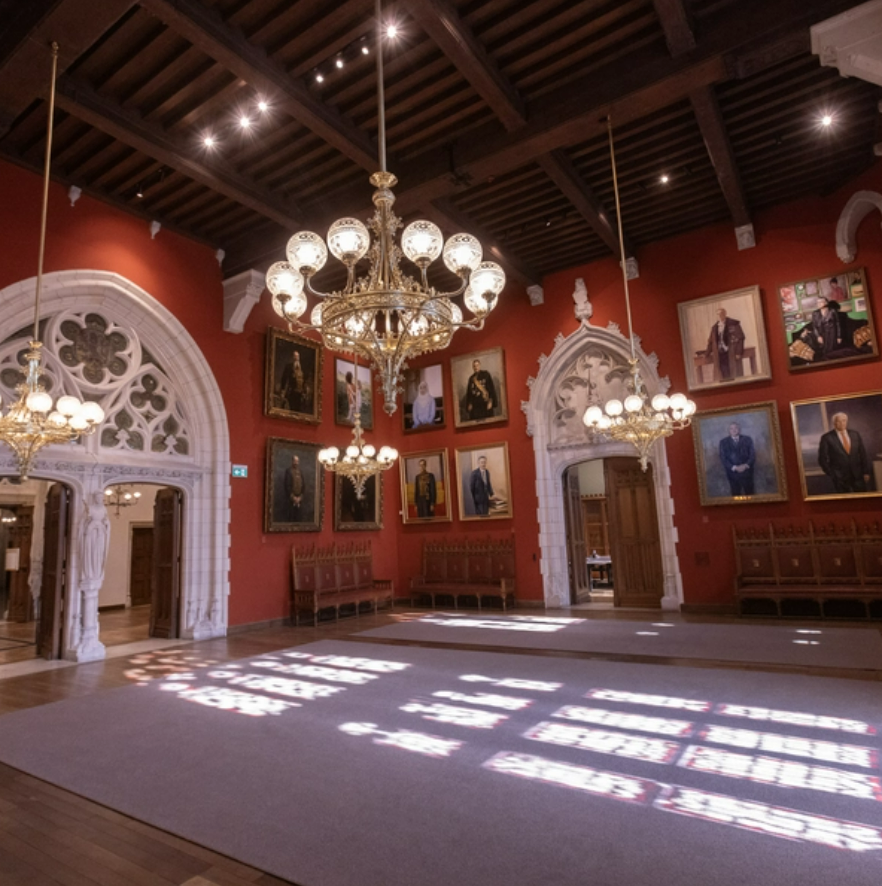
Join us in the heart of Bruges at the magnificent Provincial Palace, a striking neo-Gothic landmark on the iconic Market Square. Set in a UNESCO World Heritage city, this historic venue offers an inspiring backdrop for networking and connection, where centuries of heritage meet modern elegance. A truly unforgettable setting to launch the conference.
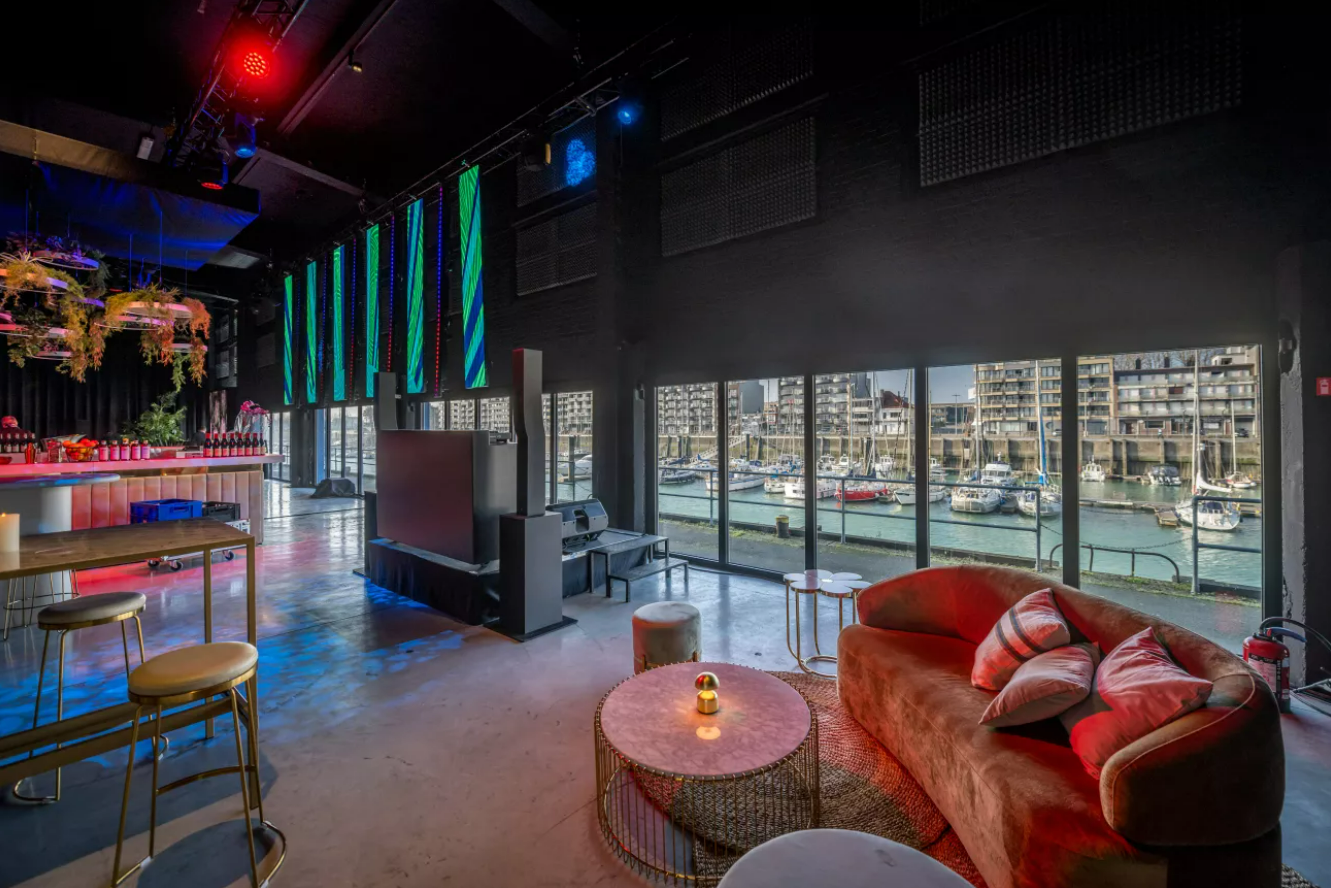
Join us for an unforgettable conference dinner and afterparty at Port Bleu, a stunning waterfront venue overlooking the marina of Zeebrugge. Enjoy an elegant evening by the sea, combining great food and lively conversation, followed by a lively afterparty.
A perfect blend of elegance, energy, and celebration. A highlight of the Bruges Conference you won’t want to miss!

Discover the charm and warmth of Belgian hospitality during the Home Hospitality Dinner. Local lawyers will open their homes to welcome delegates for an intimate evening of meaningful conversations, delicious home-cooked food, and authentic local traditions.
This much-loved event offers a unique opportunity to connect with fellow participants in a relaxed, personal setting and experience Belgian culture through the eyes of your local hosts.
NOTE: Participants will individually receive the name of their host and the address by email. If you are unable to attend, please inform the organisers as soon as possible. Kindly remember to bring a small gift for your host, ideally a souvenir from your home country. Please note that many hosts are not AIJA members and may be attending an AIJA event for the first time.
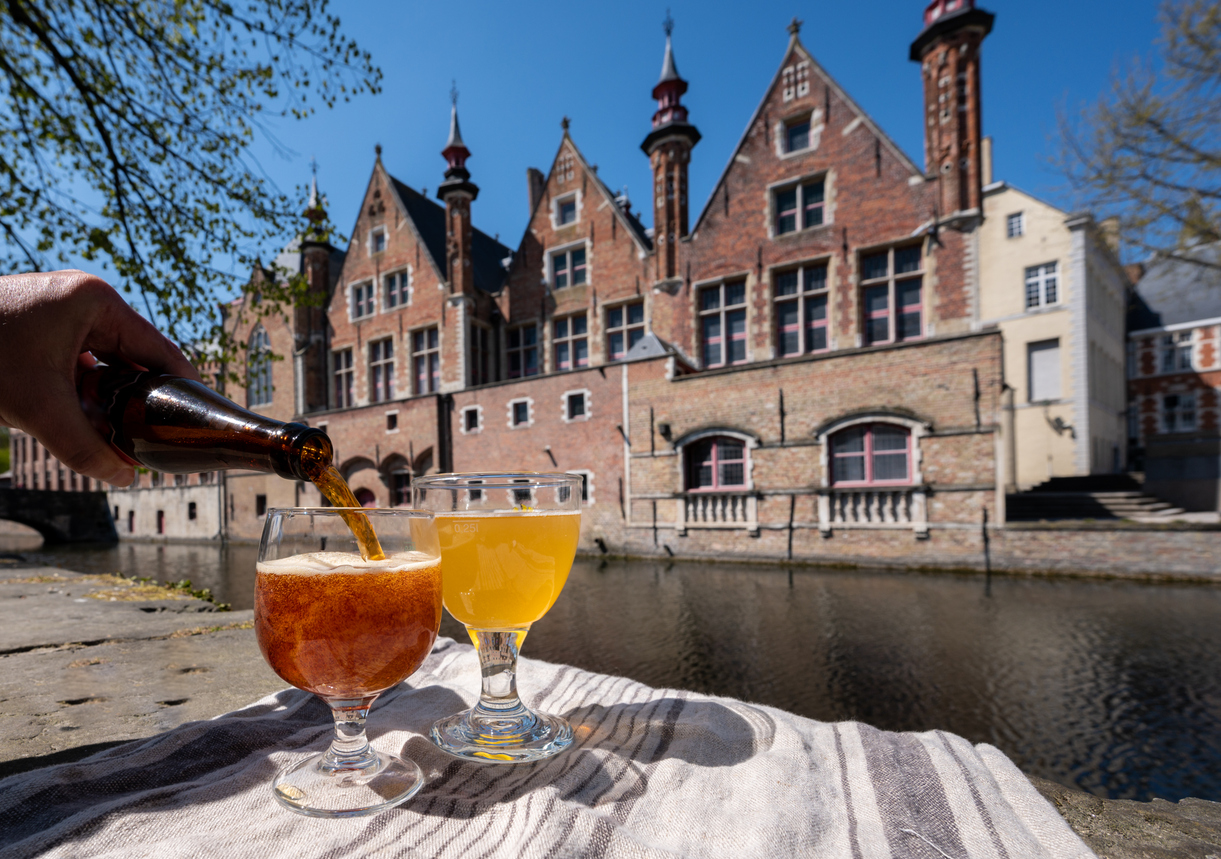
After the Home Hospitality Dinners, continue the evening together at the Bruges Beer Experience, located in the heart of Bruges’ historic centre. Gather with fellow delegates and hosts for a relaxed and lively afterparty, where conversation flows as easily as the beer.
Discover a wide selection of Belgian beers, enjoy the vibrant atmosphere, and celebrate the night with the AIJA community in a truly local setting. The perfect way to round off a memorable evening.
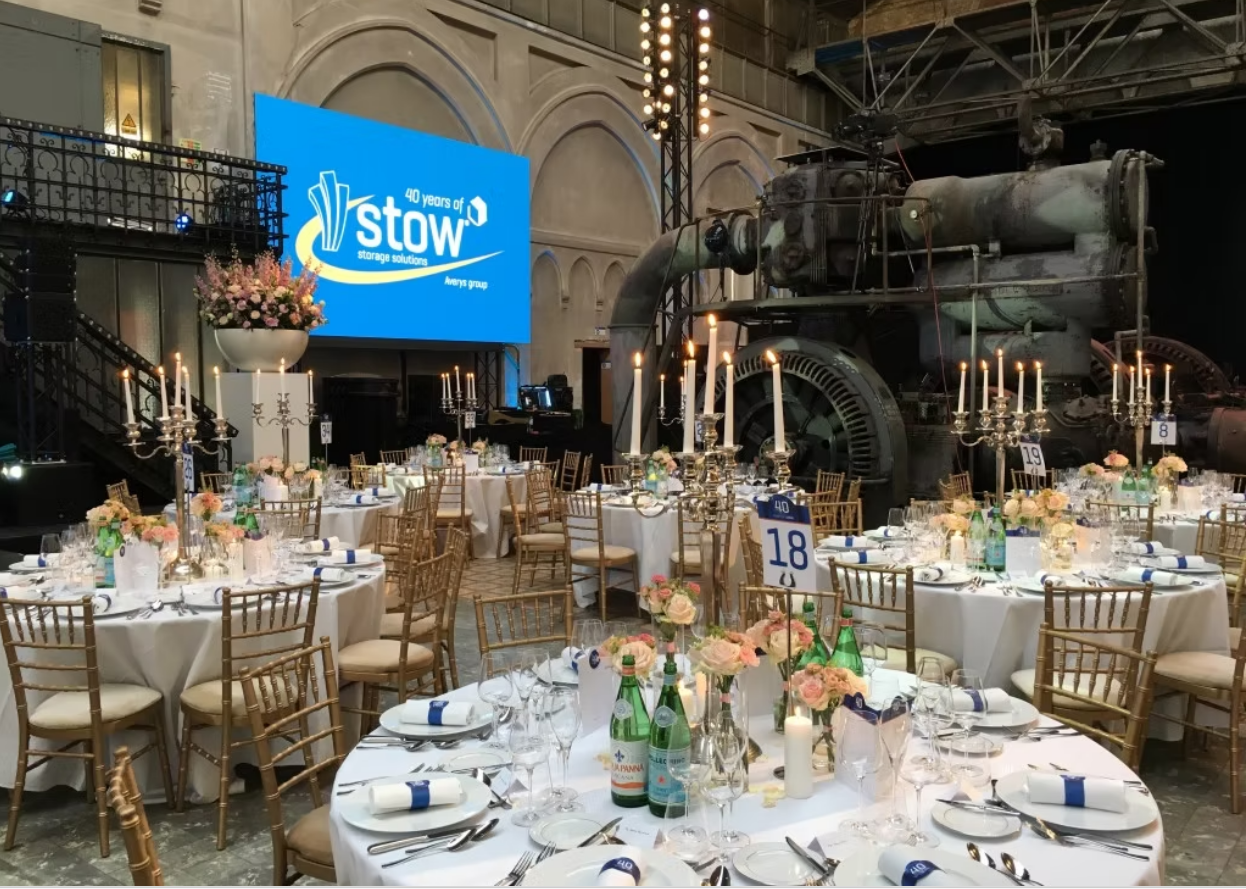
Join us for a spectacular closing evening at La Brugeoise, an iconic industrial venue that sets the stage for an unforgettable Gala Dinner and Afterparty. Housed in a former industrial complex, this unique space blends raw character with contemporary elegance, creating the perfect atmosphere to celebrate the end of the conference in style.
Enjoy a refined dinner followed by a lively afterparty, where music, conversation, and celebration come together. An exceptional night to connect, toast, and dance with fellow delegates and the perfect finale to the Bruges Conference.

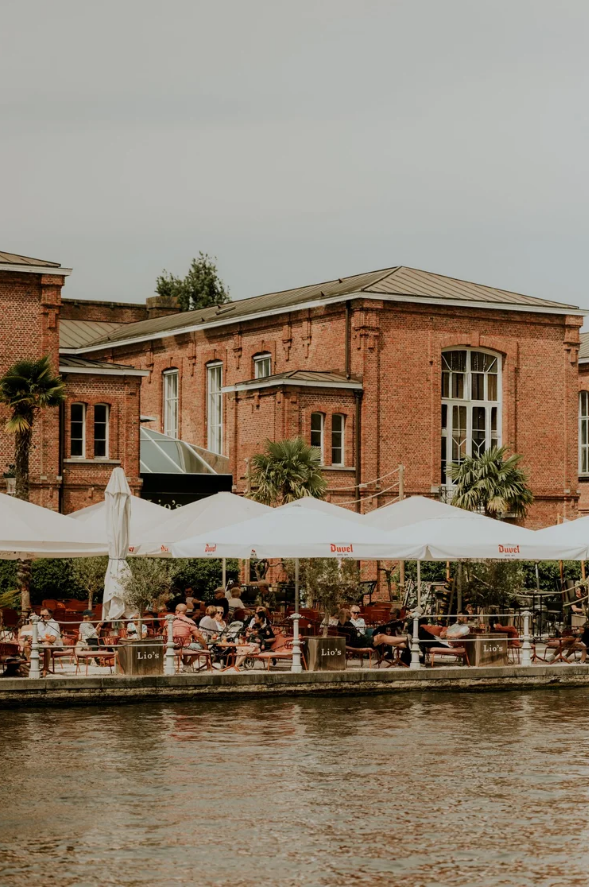
On the occasion of the Bruges Conference, we are delighted to invite AIJA Alumni to a dedicated gathering organised by Alumni for Alumni. This special lunch will take place at LIOS, a refined and contemporary restaurant located in the heart of Bruges, offering the perfect setting to reconnect and share memories.
Following the success of previous Alumni gatherings in cities such as Paris, Luxembourg, Milan, and Hamburg, we are pleased to continue this cherished tradition of bringing together AIJA Alumni (Past AIJA Members aged 45+). Join us for an afternoon of warm conversations, shared experiences, and Belgian hospitality at its finest.
LIOS is known for its elegant atmosphere and high-quality cuisine, combining modern flair with a welcoming, relaxed setting that is ideal for meaningful exchanges and an enjoyable midday break during the conference.
When?
Saturday, 30 May 13:30-15:30
Who?
Exclusive event reserved for AIJA Alumni (Past AIJA Members aged 45+)
Accompanying persons (spouses) may be accepted subject to the availability of the selected function(s). Please contact the AIJA Team at office@aija.org for information.
Where?
LIOS
Bruges, Belgium
Price: 120 EUR (excl. VAT if applicable)
20 seats are available on a first-come, first-served basis. The ticket to the Alumni lunch includes a welcome drink, a seated 3-course menu with wine, water, coffee & tea.
Note: Alumni have the possibility to book tickets to the following Half-Year May Conference social programme via the same registration form:
Registrations (subject to availability of places) must be done by 15 May 2026 (12:00 CET) at the latest.








.png)


.jpg)


By registering you have to accept the general terms and conditions and the AIJA Code of Conduct, and accept that your registration is considered binding immediately, but participation to the event is possible only after full payment of the registration fee.
All participants are expected to act in accordance with the AIJA Code of Conduct, which applies at all AIJA events. As set out in the general terms and conditions, any breach may result in removal from the event without refund and/or exclusion from future AIJA events. Please note that any arrangements related to the participation of the participant in an AIJA event, including but not limited to booking or cancellation of accommodation or flights, as well as respecting the cancellation deadlines indicated in the general terms and conditions, are the sole responsibility of the participant. AIJA shall not be held liable for any expenses the participant may suffer as the result of participant’s failure to comply with his/her obligations.
It is recommended for each participant to purchase a cancellation and travel insurance.
It is recommended for each participant to purchase a cancellation and travel insurance. Please note that in-house counsel registrations are subject to review and confirmation by AIJA. AIJA considers in-house counsel professionals who hold a university degree in law allowing access to a bar association and practicing law as an in-house counsel in private, public, or non-profit companies, institutions or organisations. Please note that in-house counsel who are at the same time active as fee-earning lawyers or consultants are not eligible to the discounted in-house counsel fee.
Please read the general terms and conditions and the AIJA Code of Conduct applicable for AIJA events.
If you are a lawyer under 35 years old and meet the requirements, apply to our Scholarship Programme for this event. You can check more details here.
Dukes’ Palace Hotel - 5-star SUP
Contact details:
Address: Prinsenhof 8, 8000 Brugge
Tel: +32 (0)50 44 78 88
Email: info@hoteldukespalace.com
Website: https://hoteldukespalace.com/
Cancellation Policy:
These rooms may be cancelled by the guest free of charge up to two (2) weeks prior to arrival. The room must be cancelled by email. Cancellations made within two (2) weeks of arrival are non-refundable.
Check the 'Read more' document to book your room.
| READ MORE |
Grand Hotel Casselbergh - 4 star
Contact details:
Address: Hoogstraat 6, 8000 Brugge
Tel: +32 (0)50 44 65 00
Email: info@grandhotelcasselbergh.com
Website: https://www.grandhotelcasselbergh.be/
Cancellation Policy:
Individual cancellation is possible until 6 weeks prior to arrival.
Cancellation between 6 weeks & 1 week prior to arrival : 50% cancellation fee.
In case of late cancellation or no show, there’s no possibility for a refund.
| READ MORE | BOOK YOUR ROOM HERE |
Dukes' Academy - 4 star
Contact details:
Address: Wijngaardstraat 7/9, 8000 Brugge
Tel: +32 (0)50 33 22 66
Email: info@dukesacademie.com
Website: https://www.dukesacademie.com/
Subject to availability, participants who would like to book can make a reservation by completing this form and mailing it to sales@dukesacademie.com.
Cancellation policy:
Cancellation as from 2 weeks prior to arrival: 100% cancellation fee.
| READ MORE |
Hotel Aragon - 4 star
Contact details:
Address: Naaldenstraat 22, 8000 Brugge
Tel: +32 (0)50 33 35 337
Email: info@aragon.be
Website: https://www.aragon.be/
Rooms can be booked upon availability. Guests can register by completing this form and sending it to groups@aragon.be.
Cancellation Policy:
Individual cancellation is possible until 6 weeks prior to arrival.
Cancellation between 6 weeks & 1 week prior to arrival: 50% cancellation fee.
In case of late cancellation or no show, there’s no possibility for a refund.
| READ MORE | BOOK YOUR ROOM HERE |
Boutique Hotel Sablon - 4 star
Contact details:
Address: Kopstraat 10, 8000 Brugge
Tel: +32 (0)50 96 02 46
Email: maite@cwhospitality.be
Website: https://www.hotelsablon.be/en
Rooms can be booked subject to availability. Please contact Maité Van Hoorenweder directly at maite@cwhospitality.be, mentioning that your request is for the AIJA May Half-Year Conference.
| READ MORE |
Hotel Portinari - 4 star
Contact details:
Address: ‘t Zand 15, 8000 Bruges
Tel: +32 (0)50 34 10 34
Book rooms online with the promotional code: AIJA-Bruges2026 to receive a 10% discount.
| READ MORE | BOOK YOUR ROOM HERE |
NH Brugge - 4 star
Contact details:
Address: Boeveriestraat 2B - 8000 Bruges
Tel: +32 258 80 062
Email: groups.nhbrugge@nh-hotels.com
Website: https://www.nh-hotels.com/en
Cancellation Policy:
The cancellation must be communicated to the Hotel in writing. The day of receipt of the e-mail will be considered as the final cancellation date. Free cancellation until 20 May 2026.
| READ MORE | BOOK YOUR ROOM HERE |
Martin’s Brugge - 3 star SUP
Contact details:
Address: Oude Burg 5, 8000 Brugge
Tel: +32 (0)50 44 51 11
Email: resa.brugge@martinshotels.com
| READ MORE | BOOK YOUR ROOM HERE |
AIJA has partnered with HotelMap, an online accommodation platform that offers a variety of budget-friendly options. By clicking on the button below, you will be able to choose from a wide range of alternative hotels near the event venue. With just a few clicks, you can easily book your accommodation directly on the platform.
The Exhibition, Meeting and Congress Centre in Bruges (BMCC)
The Exhibition, Meeting and Congress Centre in Bruges (BMCC) is the ideal location for special events, conferences and trade fairs. Besides the impressive ground floor with an area of 4,500m² - perfect for trade fairs, larger public events and concerts - there is the conference area on the upper floors. The BMCC has multiple spaces to offer such as the impressive multifunctional hall of 4,500m², a plenary hall, a spacious foyer, breakout rooms and a unique space for 500 people (The View) with terrace on the top floor, so you can choose the ideal space that perfectly suits your event. Of course, you always get the beautiful view of the historic city center with it!
You can easily reach the BMCC on foot, by bicycle, via public transport and by car. The BMCC is located in the heart of the historic city center within walking distance of numerous hotels, historic attractions and world-famous museums.
Venue details:
Date: May 26th until May 30th 2026, from 8 AM until 6 PM
Address: Sint-Maartensblik 1, 8000 Brugge
Phone:+32(0)50 89 35 47
Website: https://bmccbruges.com/
How to Access:
.png)
St Magdalene’s Church (Madeleine in Brugge)
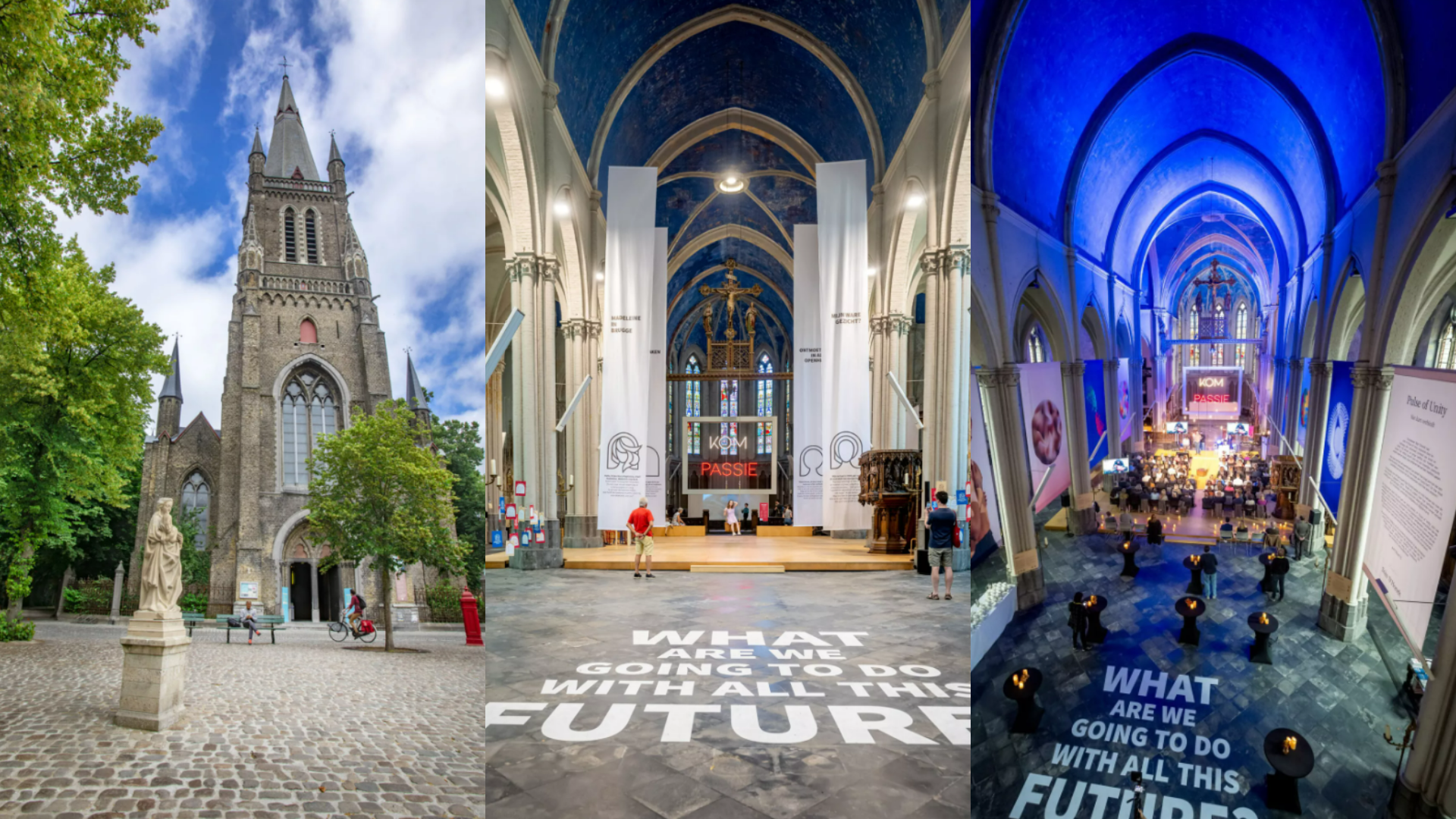
On Saturday morning, the Conference will take place at St Magdalene’s Church (Madeleine), located close to the historic centre of Bruges and easily accessible by public transportation and by walk. This unique venue offers a calm and inspiring atmosphere, perfectly suited for plenary sessions and high-level discussions.
With its spacious interior and refined architectural character, St Magdalene’s Church provides a distinctive setting that combines heritage and functionality, ensuring a memorable conference experience for all participants.
Venue details:
Date: Saturday, 30 May 2026
Address: Stalijzerstraat 19, 8000 Bruges, Belgium
Phone: +32 (0)50 33 68 18
Website: https://www.yot.be/nl/heilige_magdalenakerk/33
How to Access:
Bruges is easily accessible by train and well connected to international airports. Brussels Airport offers frequent direct train connections to Bruges, while Brussels South Charleroi Airport and Ostend–Bruges International Airport are also within convenient reach.
Once in Bruges, the city’s compact centre allows all conference venues, hotels, and main attractions to be reached on foot. Whether you enjoy a walk before the conference or relax with a drink on a terrace afterwards, everything is close at hand.
For more details please CHECK HERE


Partnership with AIJA as a sponsor provides the best networking opportunities in a relaxed business
environment.
If you have any questions, contact us on ‘Become a sponsor’ and check for more opportunities.
The personal data that you communicate to us shall be processed by the International Association Of Young Lawyers (AIJA), with its registered office at Avenue de Tervueren 231, 1150 Brussels, Belgium (Tel: +32 2 347 33 34 - office@aija.com), in accordance with Act No. 78-17 of January 6, 1978 relating to data, files and freedoms and Regulation No. 2016/679 on data protection, as of its entry into force on May 25, 2018.
Your data will be managed by AIJA's General Services, Events and Accounts Section:
To the extent necessary for the execution of their respective tasks, our subcontractors in charge of our seminar organisation, our IT infrastructure, our management, the production and maintenance of our website and extranet, are likely to gain access to your data from time to time. Their servers are located in the European Union.
Data relating to your participation in the event shall be stored for a period of 10 years. We are obliged to archive billing data until the end of the period required for our tax and accounting obligations, i.e. for 7 full tax years.
We shall store your contact information to keep you informed until you ask us to stop. You have the right to access your data and have it corrected if necessary.
The latest events, news, articles, and resources, sent straight to your inbox